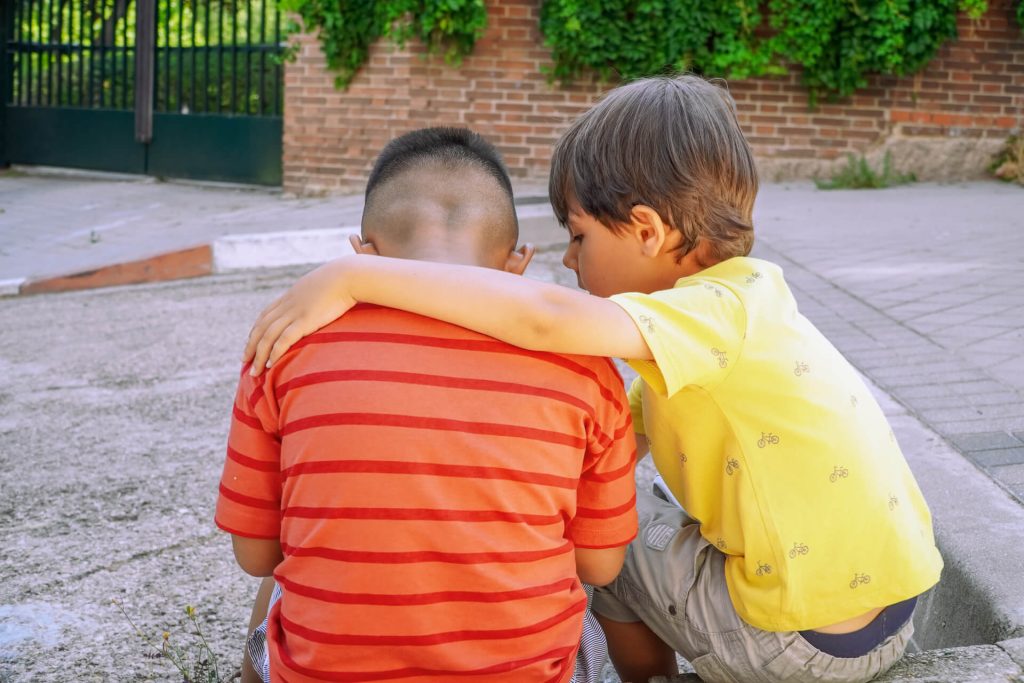


A 21st-Century Parent’s Guide: Character Building through Positive Psychology
Positive psychology is a branch of psychology that explores the positive side of human life – how we can build happiness, emotional resilience and fulfilment. Instead of focusing on solving problems and difficulties, this approach emphasises the importance of strengthening personal strengths, values and positive emotions, enabling individuals to reach their full potential.
Key Differences: Traditional vs. Positive Psychology
Imagine the human mind as a house. Here’s how traditional and positive psychology approach the “upkeep” of that house:
- What do they look at?
- Traditional psychology is like a handyman who comes to fix what’s broken. It focuses on the “cracks in the walls” and the “broken pipes” – mental problems and disorders that need repairing.
- Positive psychology is more like an interior designer. It looks at what’s already beautiful in your “house” and thinks about how to highlight and enhance it. It seeks out your strengths and talents, helping you to develop them.
- How do they work?
- Traditional psychology often waits for a problem to appear and then reacts. It’s like waiting for the roof to leak before you fix it.
- Positive psychology is proactive – like regularly maintaining a house. It teaches you how to strengthen the “foundations” of your mind, so that you’re more resilient to life’s storms before they hit.
- What do they want to achieve?
- The aim of traditional psychology is often to get you back to “normal” – to stop the pain, reduce anxiety, ease depression. It’s like returning a house to a state where it doesn’t leak or fall apart.
- Positive psychology wants to make your “house” better than ever. It strives to help you flourish, to find deeper fulfilment and meaning in life – as if you were adding a lovely garden, solar panels and a comfy space to relax in to your house.
In short, while traditional psychology often “puts out fires”, positive psychology teaches you how to “plant a garden of happiness and success”. Both are important – one saves you from falling, the other helps you take flight.
Applications of Positive Psychology
Positive psychology is meant for everyone – children, adolescents and adults. It focuses in particular on parents, teachers and professionals who work with children, offering them tools and strategies to support children’s emotional and psychological development. Through this approach, anyone can improve the quality of their life and contribute to the happiness of others.
Positive psychology has applications in various areas of life:
- Education:
- Developing programmes to strengthen resilience in pupils
- Improving school climate and pupil engagement
- The workplace:
- Programmes to increase employee satisfaction and productivity
- Developing strengths-based leadership skills
- Healthcare:
- Integrating positive interventions into the treatment of chronic illnesses
- Programmes to improve the mental health of medical staff
- Personal development:
- Coaching programmes based on the principles of positive psychology
- Apps for tracking mood and gratitude exercises
How can positive psychology help your child?
A proactive approach: Instead of waiting for problems, positive psychology strengthens the “foundations” of your child’s mind, preparing them for life’s challenges.
A focus on growth: The aim isn’t just to get your child back to “normal”, but to help them flourish and find deeper fulfilment in life.
Character building: Through positive psychology, children develop key qualities such as empathy, curiosity and resilience.
The global impact of positive psychology
Positive psychology has found applications all over the world:
- USA: A leader in research and application, with many universities offering specialised programmes.
- United Kingdom: Integration into national programmes to improve citizens’ wellbeing.
- Australia: Application in school programmes to strengthen mental resilience in children.
- Scandinavian countries: Use of positive psychology principles in shaping public policies for the happiness and wellbeing of citizens.
- Japan: Adaptation of concepts to improve the working environment and reduce stress.
How can parents use the principles of positive psychology? What can it bring to your family?
Parents who apply these principles create a stimulating and positive environment for their children. Instead of focusing on correcting mistakes, parents can turn their attention to strengthening virtues, self-confidence and resilience in their children. This approach helps build a happier and more successful childhood, in which children grow up with a positive image of themselves and their abilities.
How can children become happier and more successful?
Children who grow up in an atmosphere of support and positive values develop empathy, curiosity and self-confidence. Through encouragement and guidance towards their strengths, little ones learn how to face challenges, develop stable emotional intelligence and build a healthy image of themselves. This process helps them discover their talents and become creative and innovative individuals who are ready to contribute to society.
Which virtues and values should parents nurture in their children?
At “Beautiful Minds” we believe that every child possesses 24 unique strengths or “superpowers”. These strengths are in fact life values that help children grow, be happy and succeed. Parents have an important role in encouraging them, and here are a few key ones:
- Empathy
Empathy is the ability to understand and feel compassion for others, and children who develop this quality find it easier to build healthy relationships. It can be encouraged through conversations about other people’s feelings, through role play or reading books about different experiences and situations, where children learn to recognise emotions in others. - Curiosity
Children naturally want to explore the world around them. Parents can encourage this quality by providing a variety of activities and opportunities to learn. For example, trips into nature or experiments can awaken curiosity and a love of learning. - Self-confidence
Children with healthy self-confidence believe in their abilities and find it easier to face challenges. Parents can help build self-confidence by praising effort and dedication, not just the final results. - Resilience
Resilience is a key quality that enables children to cope with failure and difficult situations. Teaching a child that failure isn’t the end, but part of the road to success, can help them grow into emotionally stable individuals. - Cooperation
Through shared activities and games, children learn the importance of teamwork. Cooperation helps them develop the skills of sharing, listening and problem-solving, which is key to successful social interactions in the future. - Gratitude
Teaching a child to appreciate the little things in life can contribute to their inner contentment and happiness. Keeping a gratitude journal, in which they write down the things they are thankful for, helps them develop a positive outlook on the world. - Emotional intelligence
Developing the ability to recognise and manage emotions contributes to children’s emotional health. Parents can help by talking to their children about their feelings and helping them learn how to cope with them.
How can you help your child develop these strengths?
Be a detective: Watch your child during play and everyday activities. What do they enjoy most? That could be their natural strength.
Create a “memory box”: Write down your child’s small successes and lovely moments. Look through them together regularly.
Organise a family talent show: Let each family member show off a skill or talent of theirs. This can reveal hidden strengths.
Tell stories about strengths: Make up stories about heroes who use different strengths to solve problems.
Keep a “strengths diary”: Encourage your child to write down or draw their successes and the situations where they used their stronger suits.
“Beautiful Minds” – support for parents in developing children’s strengths and character
It was precisely out of the need to offer support to parents that the “Beautiful Minds” project came about – a platform that provides resources, advice and activities for applying positive psychology in everyday family life. Our goal is to help you understand your child better and create an environment that encourages their emotional and psychological development.
Through educational articles, apps and interactive tools, “Beautiful Minds” enables parents to inspire their children to become happy, empathetic and successful people.
Conclusion
Positive psychology isn’t just a trend – it’s a powerful tool that can help your child become the best version of themselves. By focusing on strengths instead of weaknesses, we create a path to a happier, more fulfilling and more successful life.
At “Beautiful Minds” we believe that every child deserves the chance to discover and develop their unique strengths. Our goal is to create a generation of children who are not only successful, but also emotionally intelligent, empathetic and resilient.
Through our platform, we offer parents resources, advice and activities that stimulate the development of positive psychology in the family. We want to help you to:
- Understand your child better
- Create an environment that encourages growth and development
- Build deeper and more lasting bonds with your children
Through support, praise and encouragement, parents can create a positive environment in which children will flourish. Join “Beautiful Minds” and become part of a movement that changes your children’s future for the better!
Questions for you:
- What strengths have you noticed in your child?
- How do you encourage the development of these qualities in your family?
- Is there a quality you would like to develop more in yourself as a parent?
Your experience could inspire other parents – share it with us!